Packing for international freight: how to avoid damage claims
An international shipment may be handled dozens of times. Pack for the worst handling, not the average — here is how, including the wood-packaging rule that stops shipments at the border.
On this page
A domestic parcel might be handled a handful of times. An international shipment can be loaded, unloaded, sorted, stacked, x-rayed and re-stacked many more times, across conveyor systems, forklifts, aircraft holds and container yards — in changing temperatures and humidity.
Packaging is also where most damage claims are won or lost. Carriers and insurers can decline a claim on the grounds of insufficient packing, so good packaging protects both the goods and your ability to recover their value.
Five principles
- Use a new, strong outer box. Corrugated cardboard loses much of its strength each time it is reused. For heavier contents, use double- or triple-wall board.
- Leave space for cushioning. Allow a margin of padding on every side — top, bottom and all four sides — so no item touches the outer wall.
- Stop everything moving. Shake the closed box. If anything shifts, add more fill. Movement inside the box causes more damage than the drop itself.
- Separate and wrap items individually, so they cannot strike one another.
- Seal properly. Use pressure-sensitive plastic tape at least 5 cm wide, applied in an H pattern across all seams. Avoid string, which catches in sorting machinery.
Packing by type of goods
| Goods | What to do |
|---|---|
| Fragile (glass, ceramics) | Double-box: wrap and pack the item in an inner box, then cushion that box inside a larger outer box |
| Electronics | Original or anti-static packaging, with corner protection; declare any lithium batteries |
| Liquids | Leak-proof inner container, sealed in a bag, with absorbent material inside the outer box |
| Heavy items | Strapped to a pallet, weight distributed evenly, nothing overhanging the pallet edge |
| Documents | Rigid envelope or board-backed mailer to prevent bending |
Palletised freight
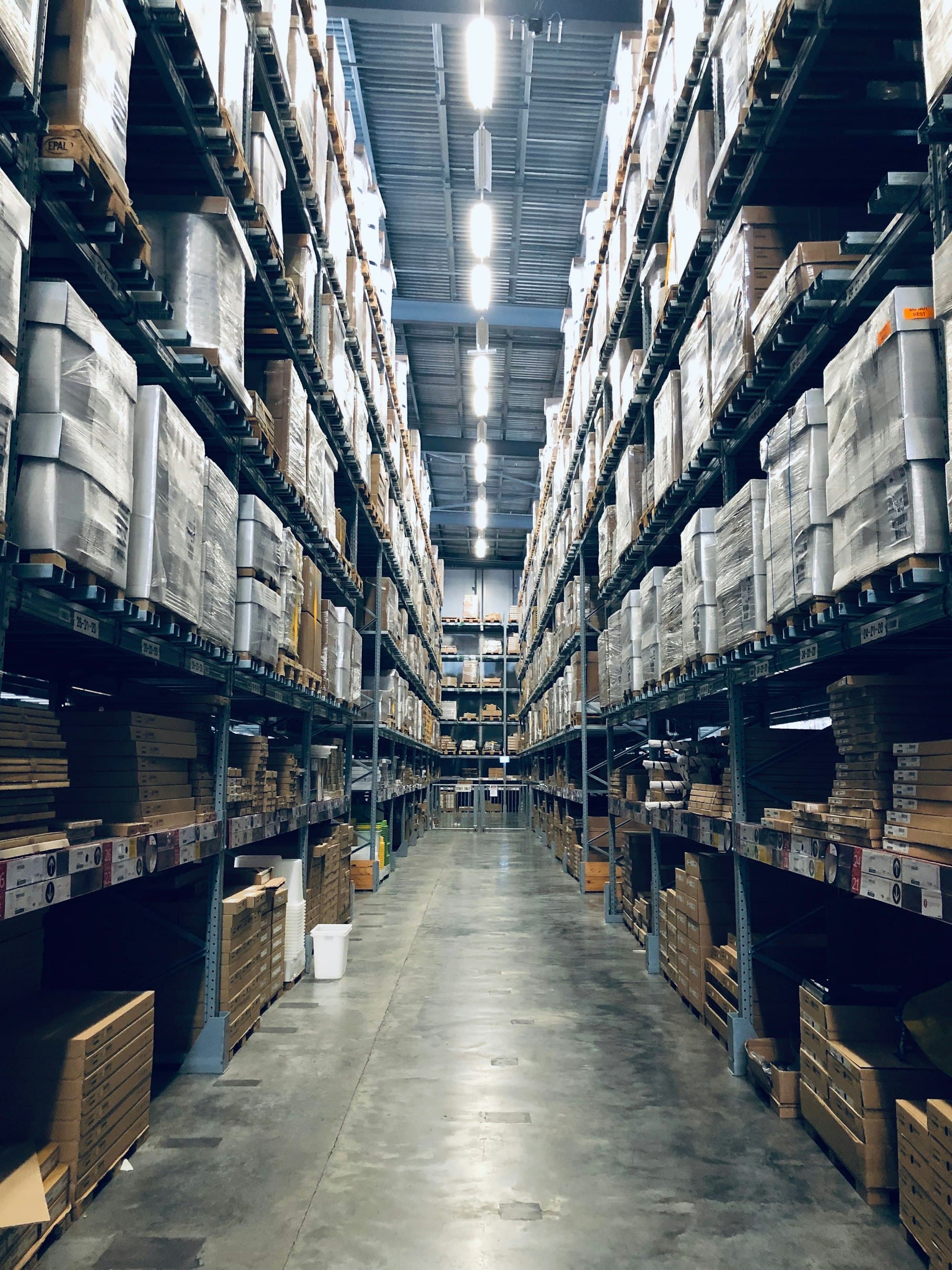
- Stack boxes in columns, corner on corner, so the box walls carry the load.
- Keep the stack flush with the pallet edges — overhang crushes the boxes on the edge.
- Put the heaviest boxes at the bottom.
- Stretch-wrap the whole load to the pallet, and strap it where the load is heavy.
- Add edge protectors under straps so they do not cut into the cartons.
- Mark the pallet "Do not stack" if the top cannot bear weight — and expect that marking to be ignored sometimes, so pack as though it will be.
Wooden packaging: the ISPM 15 rule
Solid wood packaging — pallets, crates, dunnage and boxes — can carry insects and plant pests across borders. To prevent that, most countries enforce ISPM 15, the international standard for wood packaging material.
Wood packaging must be treated, usually by heat treatment, and stamped with the IPPC mark showing the treatment and the country and producer that carried it out. Processed wood products such as plywood and particle board are generally exempt.
Labelling
- Put the shipping label on the largest flat surface, not across a seam.
- Place a copy of the address details inside the box, in case the outer label is damaged.
- Remove or cover all old labels and barcodes, which can misroute the shipment.
- Use orientation arrows and "Fragile" markings where they apply, but do not rely on them in place of proper packing.
Sources
Rules change. This guide is general information, not legal or customs advice — check the current requirements for your shipment before you send it.